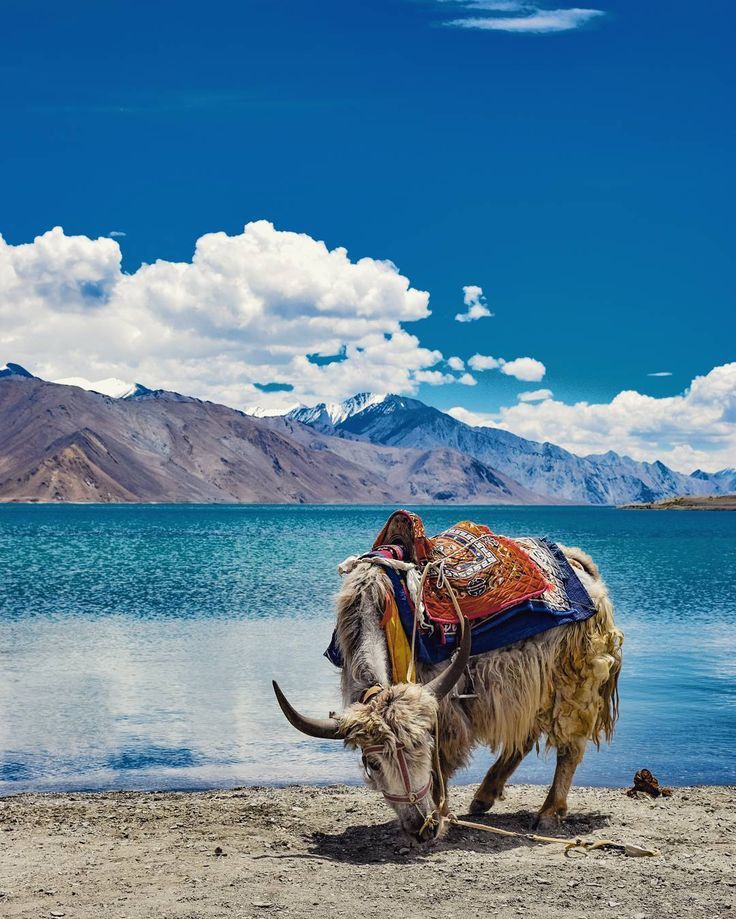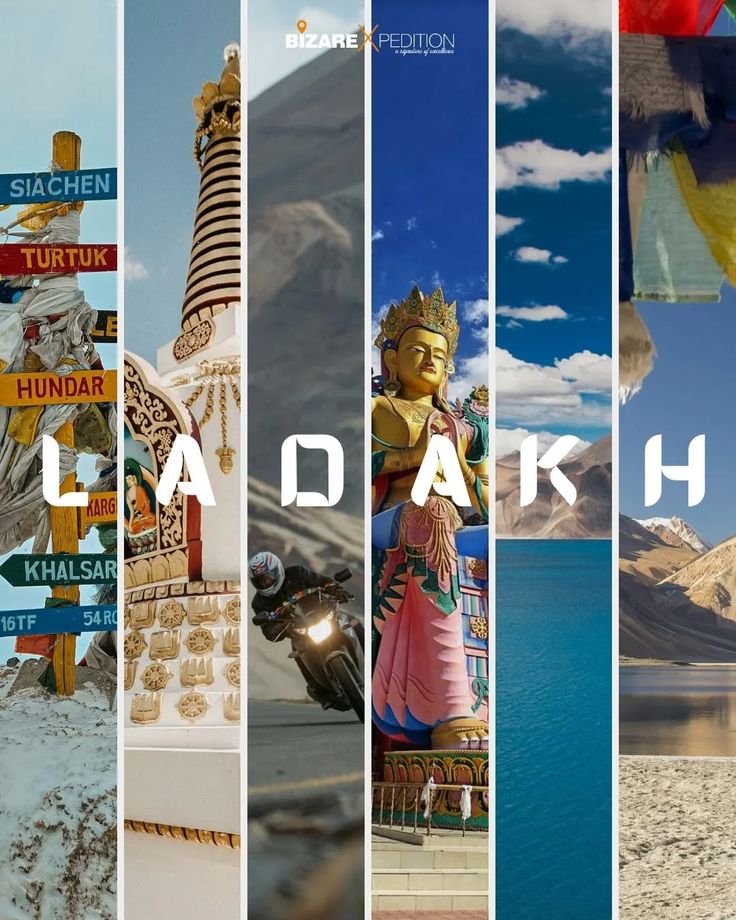
Leh Ladakh is a spectacular Himalayan destination renowned for its majestic mountains, serene lakes, ancient monasteries, and thrilling adventure experiences. From Pangong Lake to Khardung La Pass, it offers breathtaking landscapes, rich Buddhist culture, and unforgettable road trips, making it one of India's most sought-after travel destinations.
The fastest way is to fly to Kushok Bakula Rimpochee Airport (Leh), which has regular flights from Delhi, Mumbai, Chandigarh, Srinagar, and Jammu.
There is no railway station in Leh. The nearest major railway stations are:
From these stations, continue by taxi or bus.
Leh is connected by two famous highways:
Regular buses and taxis operate during the tourist season, offering one of India's most scenic road journeys
The best time to visit Leh Ladakh is May to September, when the weather is pleasant, roads are open, and popular attractions like Pangong Lake, Nubra Valley, and Khardung La are easily accessible. Winter (October to February) is ideal for snowfall lovers and the famous Chadar Trek.
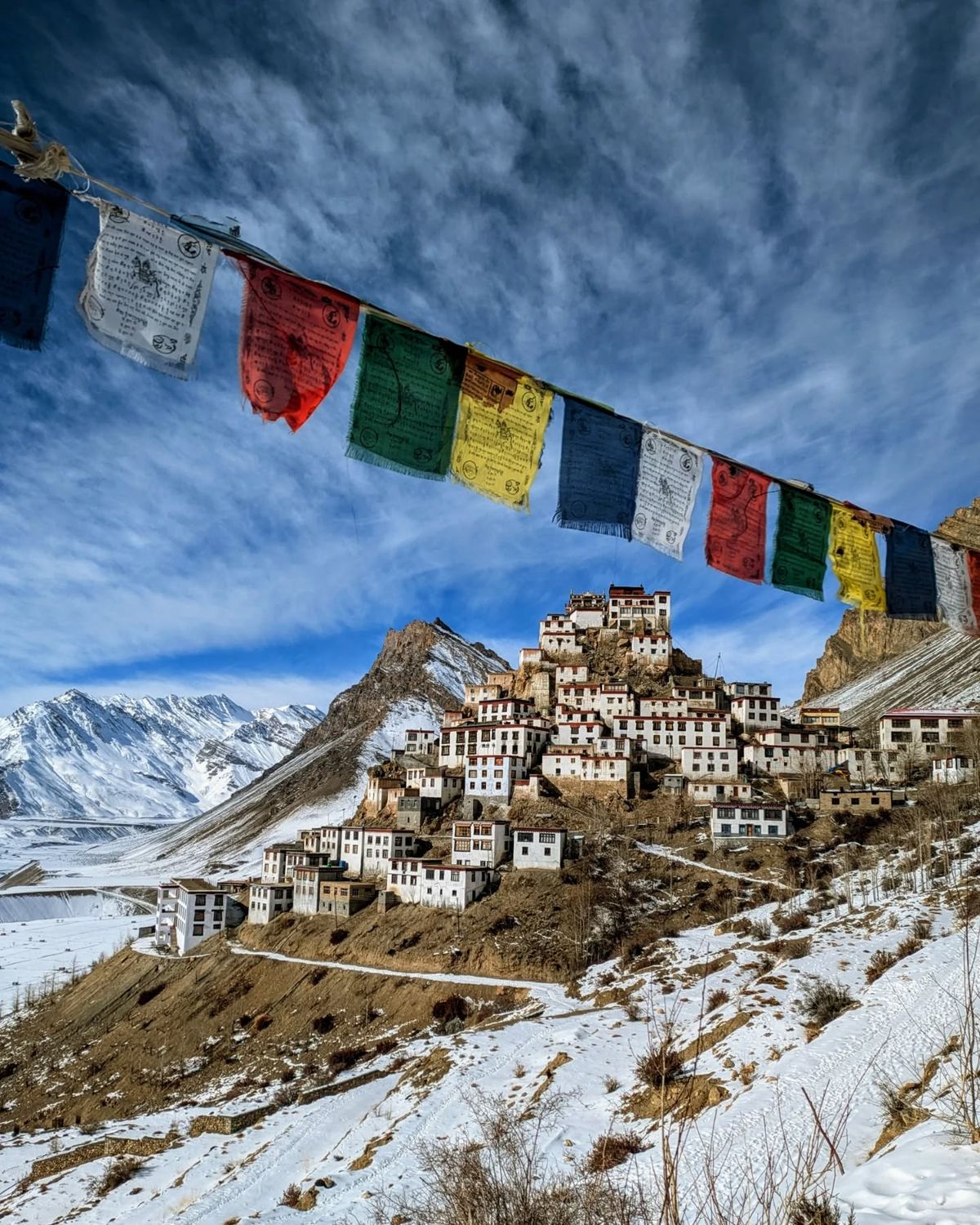
Leh Ladakh has a rich Buddhist heritage influenced by Tibetan culture. The region is home to centuries-old monasteries, colorful festivals like Hemis Festival, traditional masked dances, prayer flags, and warm Ladakhi hospitality, reflecting its unique spiritual and cultural identity.
Situated in the northern Himalayas, Leh Ladakh is a high-altitude cold desert with elevations ranging from 3,000 to over 5,500 meters. It features dramatic mountain ranges, pristine lakes, deep valleys, glaciers, and the mighty Indus River, making it one of India's most spectacular landscapes.